
System will not start
An unresponsive system may need attention at the thermostat, power source, controls, or another part of its operation.
Central Oklahoma HVAC repair
When heating or cooling equipment is not working as expected, Heartland can help you understand the concern, review the system, and consider a practical next step for your Central Oklahoma home.
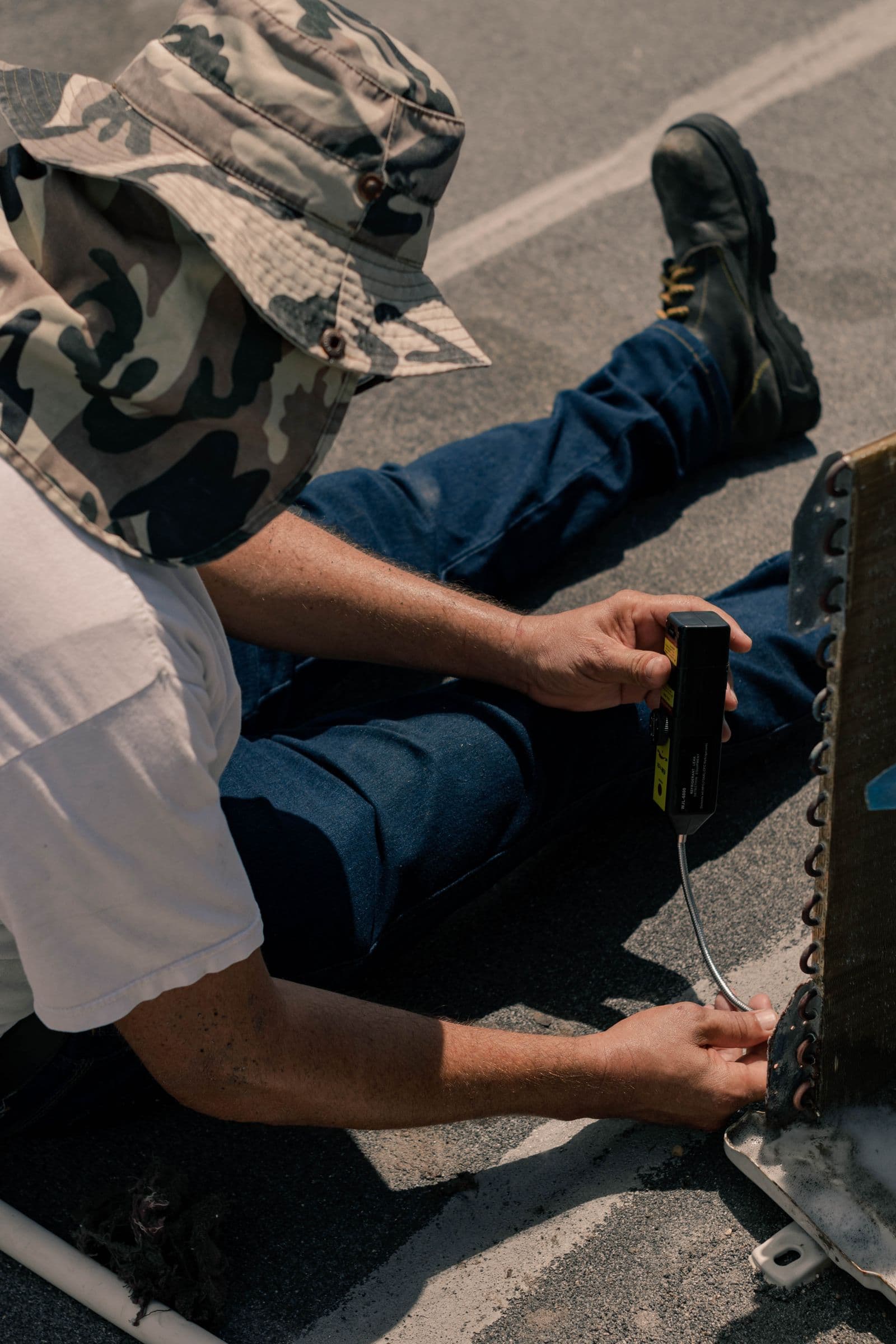
HVAC troubleshooting
A comfort problem can take many forms: unfamiliar sounds, weak airflow, rooms that feel uneven, or a system that will not respond the way it normally does. The details you notice at home provide a useful starting point for an HVAC repair conversation.
Heartland begins with the concern, reviews relevant system operation and conditions, and explains the findings in straightforward terms. Whether the issue affects heating, cooling, or general airflow, the goal is to help you understand what may be involved before choosing a fix.
Note when the issue began, which rooms are affected, and whether it happens consistently or only at certain times.
Common concerns
An unresponsive system may need attention at the thermostat, power source, controls, or another part of its operation.
Air that does not match the thermostat setting can point to airflow, controls, or equipment-performance concerns.
Less conditioned air reaching the rooms can affect comfort even while the system is running.
One room feeling different from another can involve airflow, layout, controls, or system performance.
Repeated starting and stopping is useful to note when the system is not behaving as it normally does.
New rattling, buzzing, unfamiliar odors, or visible moisture provide useful context for a repair visit.
When to request service
Comfort changes, timing, and equipment behavior can all help shape a more useful troubleshooting conversation.
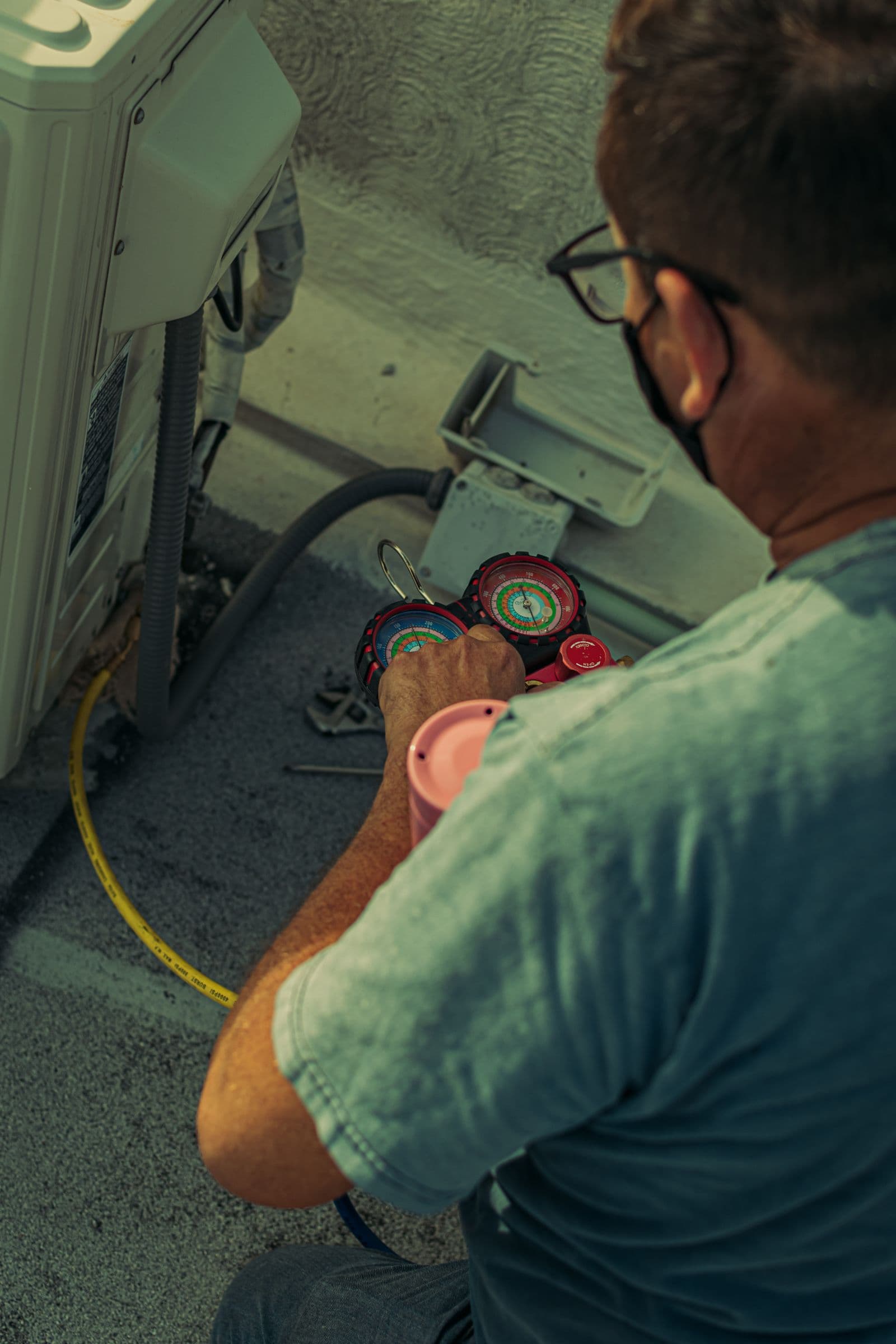
A clear diagnosis
Every system and property is different. A focused inspection can help separate a smaller adjustment from a concern that needs more involved repair work.
The conversation stays understandable: what was observed, what may be contributing to the issue, and which options are available next.
What to expect
Repair decisions begin with careful attention to the issue and clear communication about what is found.
Start with the symptoms, when they began, and how the concern affects the property.
Relevant components, controls, airflow, and operating conditions can be reviewed in context.
What was observed and practical repair considerations are discussed in straightforward terms.
Repair guidance
Diagnose
A focused evaluation helps identify relevant equipment conditions and separate the current concern from symptoms that may have another cause.
Repair
Recommended work can then be discussed in the context of what was found, how it relates to comfort, and what it is intended to address.
The best path depends on what is causing the issue, the overall system condition, the repair scope, and what you want to improve at home.
Talk through your optionsHelpful answers
Changes in comfort, airflow, sounds, cycling, or system response are all useful reasons to request an evaluation.
Yes. Share the type of concern and what you are experiencing when you request service.
Note when the issue began, what you observed, and whether it occurs consistently or intermittently.
The relevant findings and recommended next step can be discussed after the system is evaluated.
Uneven comfort can have several causes. A system review helps identify which factors may be involved.
Confirm the thermostat setting, look for an unexpectedly dirty filter, and note any changes in sounds, airflow, or system response.
Central Oklahoma homes & businesses
Tell Heartland what you are noticing, or call to discuss repair service availability for your area.